




Discover Bengal · Unfolded
❦Zulfikar Ali Bhutto
Founder of the Pakistan Peoples Party; leading West Pakistani politician in the post-1970 crisis; later Prime Minister of Pakistan
A central yet contested political figure in the transition from Pakistan's 1970 electoral crisis to the 1971 rupture.
Biography
Context
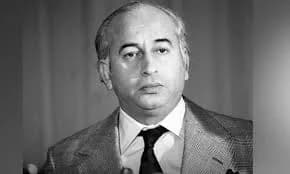
In the context of Late Pakistan-era constitutional breakdown, the 1970 election aftermath, and the contested political prelude to Bangladesh's Liberation War; followed by Pakistan's post-1971 state restructuring., Zulfikar Ali Bhutto is recognized as Founder of the Pakistan Peoples Party; leading West Pakistani politician in the post-1970 crisis; later Prime Minister of Pakistan. A central yet contested political figure in the transition from Pakistan's 1970 electoral crisis to the 1971 rupture.
Contribution
He founded the Pakistan Peoples Party in 1967 and emerged as a major West Pakistani political actor after the 1970 election. He participated in the Yahya-Mujib-Bhutto negotiation context and remained central to the transfer-of-power deadlock that preceded the 1971 war.
Impact
In Bangladesh-related historiography, his role is treated as important but contested: he was a key political participant in decisions and negotiations tied to the crisis, while interpretations differ on the degree of his individual responsibility for outcomes.