




Discover Bengal · Unfolded
❦Khandaker Mushtaq Ahmed
Awami League politician; wartime and post-independence cabinet figure; President after 15 August 1975
Khandaker Mushtaq Ahmed was active in Awami League politics during the Pakistan period and served in the 1971 wartime provisional-government context and in post-independence cabinet roles.
Biography
Context
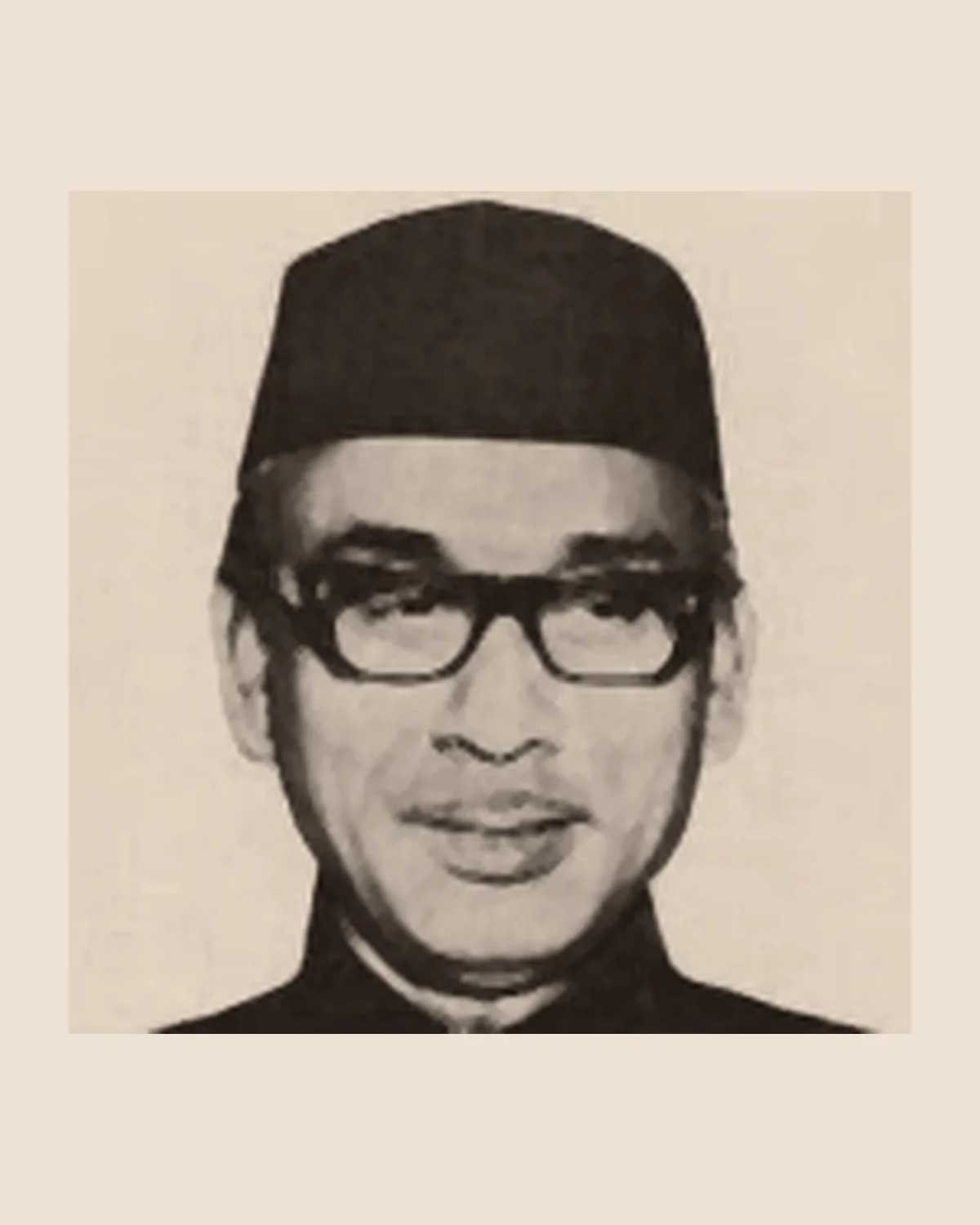
In the context of After 15 August 1975, he became President during a rapid power transition marked by disputes over constitutional legitimacy, including the promulgation of the Indemnity Ordinance and subsequent restructuring of post-1975 politics., Khandaker Mushtaq Ahmed is recognized as Awami League politician; wartime and post-independence cabinet figure; President after 15 August 1975. Khandaker Mushtaq Ahmed was active in Awami League politics during the Pakistan period and served in the 1971 wartime provisional-government context and in post-independence cabinet roles.
Contribution
Khandaker Mushtaq Ahmed was active in Awami League politics during the Pakistan period and served in the 1971 wartime provisional-government context and in post-independence cabinet roles.
Impact
His historical legacy remains contested and sensitive in Bangladesh: he is discussed in relation to wartime political leadership, post-independence state formation, and the legitimacy crisis that followed the 1975 transition.