




Discover Bengal · Unfolded
❦Shaista Khan
Mughal subahdar of Bengal and imperial commander
Shaista Khan combined administrative consolidation in Bengal with the 1666 Mughal conquest of Chittagong.
Biography
Context
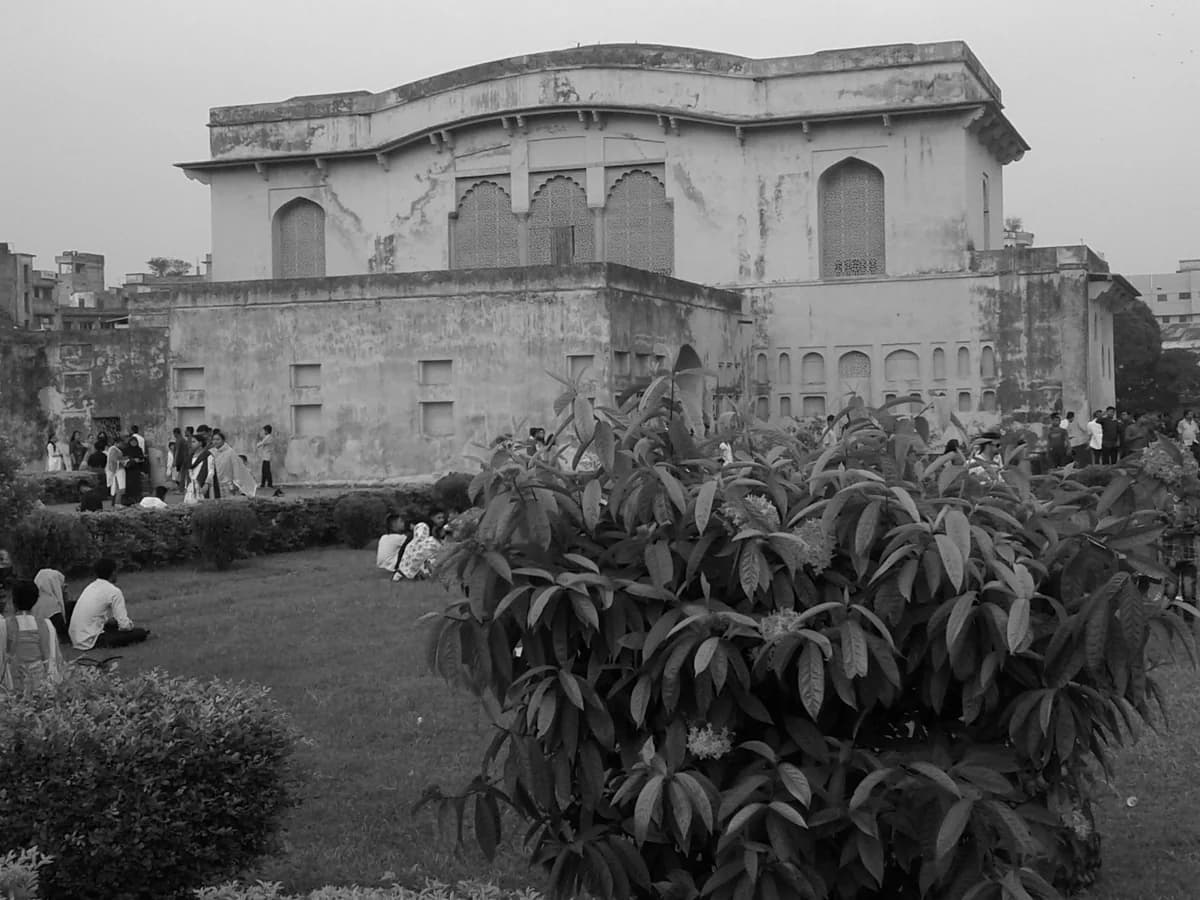
In the context of Seventeenth-century Mughal Bengal, where Arakanese raids and Portuguese piracy threatened the coastal frontier, while the provincial government sought tighter control over river routes, ports, trade, and revenue administration., Shaista Khan is recognized as Mughal subahdar of Bengal and imperial commander. Shaista Khan combined administrative consolidation in Bengal with the 1666 Mughal conquest of Chittagong.
Contribution
Shaista Khan became Bengal's subahdar after Mir Jumla's death and governed for the longest tenure of any Mughal provincial governor there. He tightened administrative discipline, worked through a network of district officials and family commanders, and planned the combined land-and-naval campaign that captured Chittagong in January 1666.
Impact
The Chittagong campaign, led in the field by his son Buzurg Umed Khan with naval support, ended Arakanese control of the port and brought it into the Mughal province under the name Islamabad. His building activity in Dhaka, including Chhota Katra, also reflects the capital's commercial and administrative growth during his tenure.