




Discover Bengal · Unfolded
❦Manabendra Narayan Larma
Chittagong Hill Tracts politician and autonomy leader
Manabendra Narayan Larma organized student and community movements in the Chittagong Hill Tracts, including campaigns for compensation and rehabilitation after the Kaptai hydroelectric project displaced hill families. He united representatives of different hill peoples, served in the East Pakistan Provincial Assembly in 1970, and was elected to Bangladesh's Jatiya Sangsad in 1973.
Biography
Context
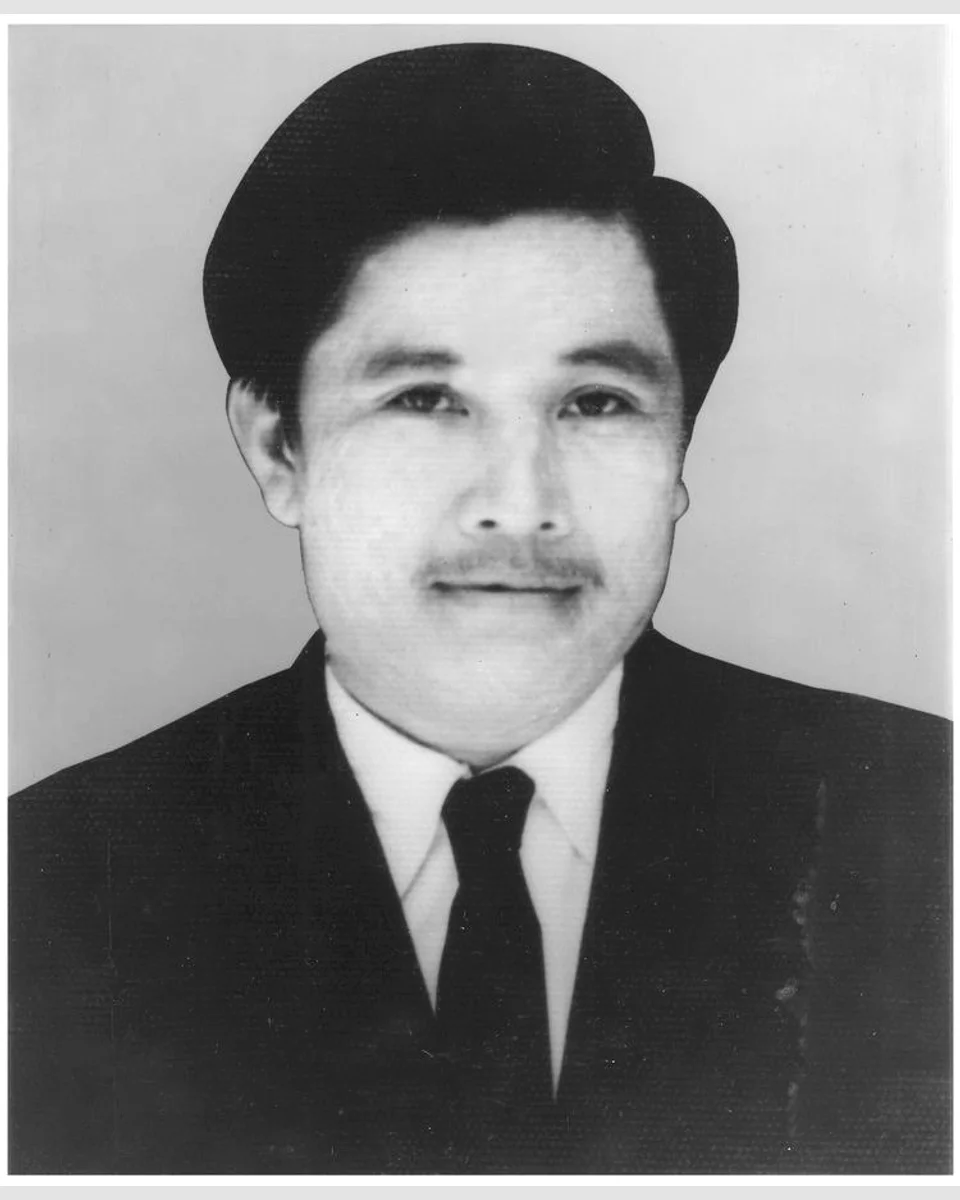
In the context of The post-1971 debate over whether Bangladesh's constitutional nationalism would recognize the distinct cultural, linguistic, and political identity of the peoples of the Chittagong Hill Tracts. Larma argued for recognition of Jumma identity alongside state nationalism and sought special administrative status for the region., Manabendra Narayan Larma is recognized as Chittagong Hill Tracts politician and autonomy leader. Manabendra Narayan Larma organized student and community movements in the Chittagong Hill Tracts, including campaigns for compensation and rehabilitation after the Kaptai hydroelectric project displaced hill families. He united representatives of different hill peoples, served in the East Pakistan Provincial Assembly in 1970, and was elected to Bangladesh's Jatiya Sangsad in 1973.
Contribution
Manabendra Narayan Larma organized student and community movements in the Chittagong Hill Tracts, including campaigns for compensation and rehabilitation after the Kaptai hydroelectric project displaced hill families. He united representatives of different hill peoples, served in the East Pakistan Provincial Assembly in 1970, and was elected to Bangladesh's Jatiya Sangsad in 1973.
Impact
On 15 February 1972 he founded the Parbatya Chattagram Jana-Samhati Samiti (PCJSS). After constitutional demands were not accepted, the organization developed the Shanti Bahini as an armed wing in 1973; Larma remained its central political leader until his assassination on 10 November 1983. His autonomy demands remained part of the political background to the 1997 Peace Accord.
Timeline Placement
Manabendra Narayan Larma appears in 3 linked timeline events, spanning 1972 - 1997.
First Appearance
1972
Latest Appearance
1997
Active Span
1972 - 1997
Linked Events
3
Legacy Summary
On 15 February 1972 he founded the Parbatya Chattagram Jana-Samhati Samiti (PCJSS). After constitutional demands were not accepted, the organization developed the Shanti Bahini as an armed wing in 1973; Larma remained its central political leader until his assassination on 10 November 1983. His autonomy demands remained part of the political background to the 1997 Peace Accord. This influence is reflected across 3 connected events.
References
Key sources for understanding this figure
A History of Bangladesh
A synthetic history of Bangladesh from the long view through colonial encounters, East Pakistan, war, and independence.
Cited in: 1 events
Bangladesh Liberation War of 1971: Narratives, Impacts and the Actors
Useful for competing narratives, impacts, and the political memory of 1971.
Cited in: 1 events
Bangladesh since independence
A concise overview of Bangladesh's immediate post-1971 political transition, including Mujib's return and the early constitutional order.
Cited in: 1 events
Bangladesh under Mujib, Zia, and Ershad
A wider political history that includes the Ershad era and the democratic crisis leading to 1990.
Cited in: 1 events
Bangladesh: Quest for Freedom and Justice
Kamal Hossain's memoir traces liberation, constitution-making, democracy, and the justice question.
Cited in: 1 events
Chittagong Hill Tracts Accord (Full Text)
Full text of the 1997 peace accord via UN peacemaking repository.
Cited in: 1 events
Related
Related Figures
Sheikh Hasina
Awami League leader and prime minister during the 2024 uprising
Abdur Rab Serniabat
Politician
Abu Sayeed Chowdhury
Diplomatic Face of the Liberation Cause
Kamal Hossain
Chair of the Constitution Drafting Committee
Khandaker Mushtaq Ahmed
Awami League politician; wartime and post-independence cabinet figure; President after 15 August 1975
Pakistan Peoples Party
Political Party in Pakistan
Related Events
Related Places
Appears In Events
Timeline View