




Discover Bengal · Unfolded
❦Mangal Pandey
Sepoy who sparked the Barrackpore uprising
Mangal Pandey's 29 March 1857 action at Barrackpore became one of the best-known early flashpoints of the rebellion.
Biography
Context
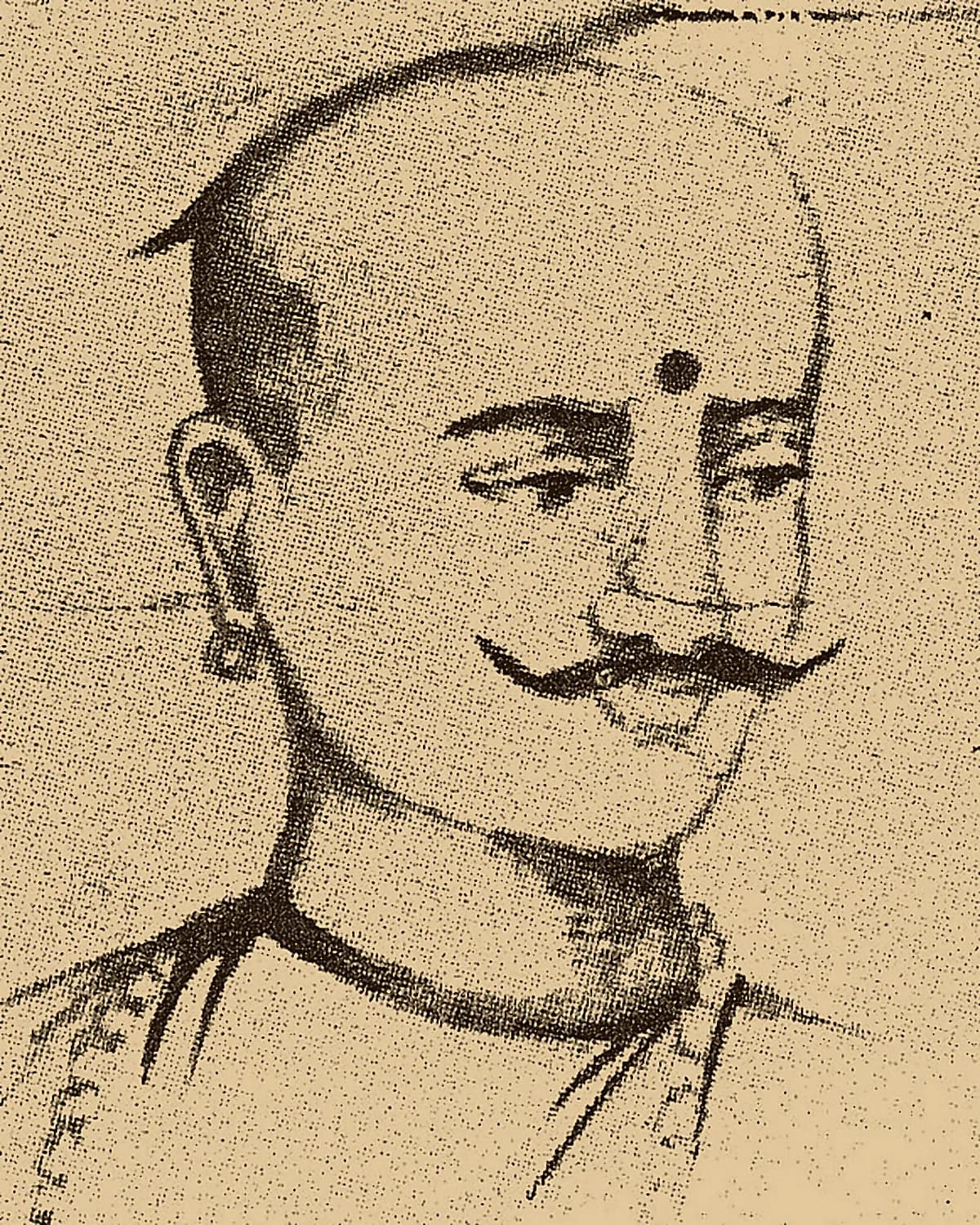
In the context of North and central India during the anti-colonial uprising of 1857-1859., Mangal Pandey is recognized as Sepoy who sparked the Barrackpore uprising. Mangal Pandey's 29 March 1857 action at Barrackpore became one of the best-known early flashpoints of the rebellion.
Contribution
On 29 March 1857 at Barrackpore, sepoy Mangal Pandey attacked British officers, an act remembered as an early flashpoint of the uprising.
Impact
His action became an important symbol in later accounts of the 1857 rebellion, while the wider uprising developed through many separate regional causes and actors.
Timeline Placement
Mangal Pandey appears in 1 linked timeline events, spanning 1857.
First Appearance
1857
Latest Appearance
1857
Active Span
1857
Linked Events
1
Legacy Summary
His action became an important symbol in later accounts of the 1857 rebellion, while the wider uprising developed through many separate regional causes and actors. This influence is reflected across 1 connected events.
References
Key sources for understanding this figure
'Capture & Death of the Shahzadaghs', 1857
Museum catalog record describing the capture of Bahadur Shah Zafar and the subsequent shooting of three Mughal princes after Delhi's fall.
Cited in: 1 events
Bahadur Shah II
Profile of the last Mughal emperor and his symbolic role in Delhi during the rebellion.
Cited in: 1 events
Indian Rebellion of 1857
Foundational overview of causes, spread, key theatres, and suppression of the 1857-59 uprising.
Cited in: 1 events
Lakshmi Bai
Reference on the queen of Jhansi and her military leadership during the 1857-58 rebellion.
Cited in: 1 events
Mangal Pandey
Biographical reference on the Barrackpore sepoy whose actions are widely linked to the ignition phase of the 1857 revolt.
Cited in: 1 events
Mirza Khizr Sultan - Wikipedia Source Context
Figure-specific profile covering his identity as a Mughal prince, role in the 1857 rebellion, and death during the fall of Delhi.
Cited in: 1 events
Related
Related Figures
Ahmad Khan Kharal
Regional anti-colonial rebel leader in Punjab
Ali Bahadur II
Nawab of Banda and rebel ally in Bundelkhand
Amar Singh
Jagdishpur rebel commander and successor to Kunwar Singh
Azimullah Khan
Political adviser to Nana Sahib
Bahadur Shah II
Last Mughal emperor and symbolic leader of 1857
Bakht Bali
Regional rebel leader during 1857