




Discover Bengal · Unfolded
❦Hasanul Haq Inu
JASAD politician, former member of parliament, and former information minister
A long-serving political figure associated with JASAD, anti-autocracy politics, the 14-party alliance, parliament, and the information ministry.
Biography
Context
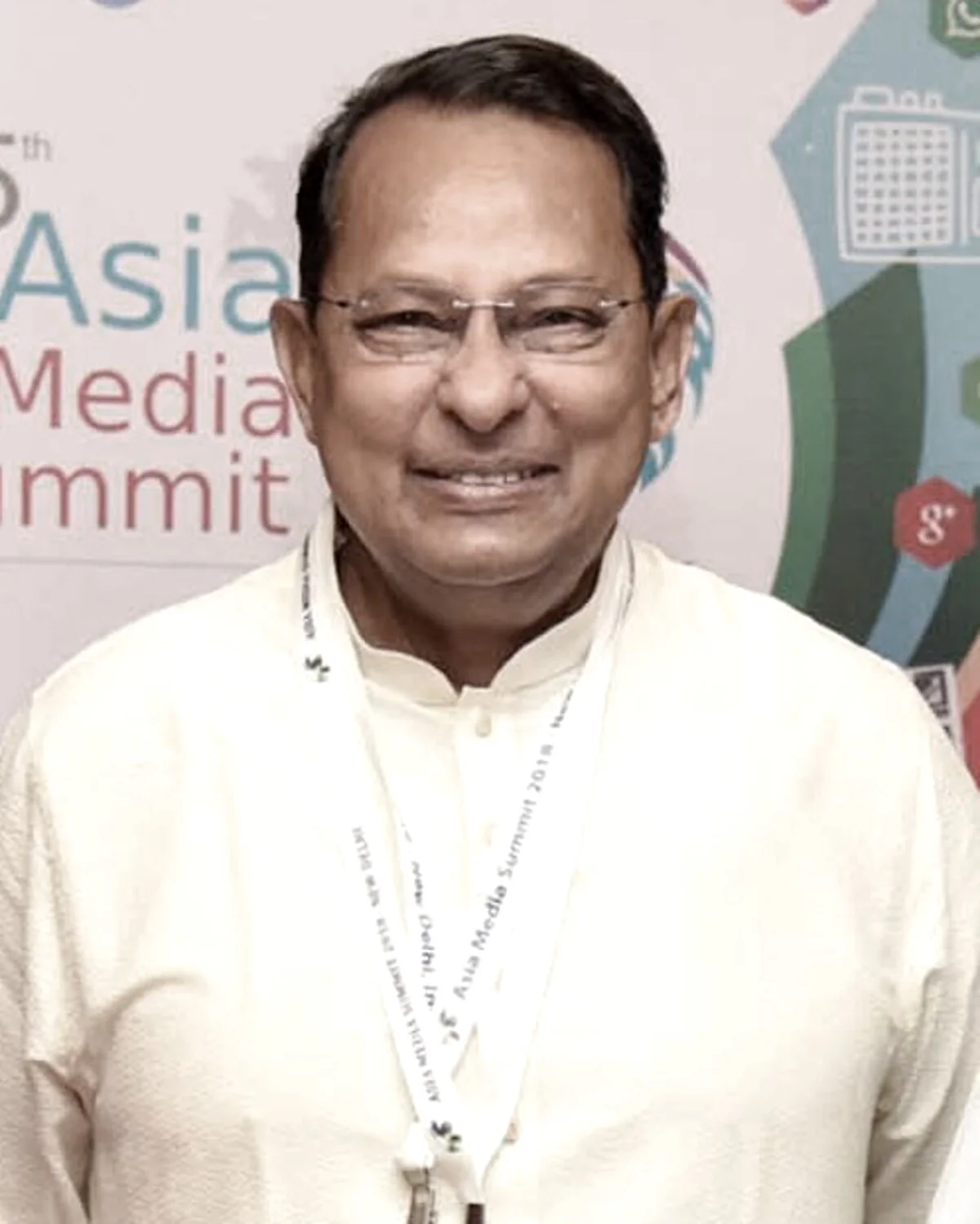
In the context of Student politics, the 1971 Liberation War context, the rise of JASAD, post-independence political conflict in the 1970s, the 1990 anti-autocracy movement, 14-party alliance politics, and post-2008 parliamentary politics., Hasanul Haq Inu is recognized as JASAD politician, former member of parliament, and former information minister. A long-serving political figure associated with JASAD, anti-autocracy politics, the 14-party alliance, parliament, and the information ministry.
Contribution
He has been active across student politics, post-liberation JASAD politics, the anti-Ershad movement, parliamentary politics, and the Awami League-led coalition government as information minister.
Impact
His political career is connected to Bangladesh’s left politics, the JASAD tradition, anti-autocracy mobilization, coalition politics, and state information policy. His role in both the 1970s and the 2010s remains politically debated.