



Discover Bengal · Unfolded
❦Abdul Jabbar
Language Movement martyr and civilian participant
A civilian participant remembered among the martyrs of the 21 February 1952 Language Movement protest.
Biography
Context
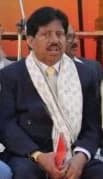
In the context of He was not a university student leader but an ordinary visitor who entered the Language Movement's defining confrontation as students and members of the public gathered to demand recognition for Bangla as a state language of Pakistan., Abdul Jabbar is recognized as Language Movement martyr and civilian participant. A civilian participant remembered among the martyrs of the 21 February 1952 Language Movement protest.
Contribution
Abdul Jabbar came to Dhaka with his family for his mother-in-law's medical treatment and joined the public protest around Dhaka Medical College on 21 February 1952. He was fatally wounded when police opened fire on demonstrators.
Impact
Jabbar's death became part of the martyr memory that gave the Language Movement a lasting moral and civic vocabulary. His story also broadens the movement's social history beyond campus activism to include members of the public who joined the demonstrations.